

Want to buy bitcoin with cash, no bank wires, no card? You’ve got options. Cash purchases can be fast, private, and simple once you know where to go and how to stay safe. In this guide, you’ll compare the main cash-to-BTC methods, prep a secure wallet, and follow step-by-step flows for ATMs, retail kiosks, and peer-to-peer trades. You’ll also learn how to minimize fees, avoid scams, and keep clean records for taxes. By the end, you’ll be able to turn paper dollars into BTC confidently and on your terms.
Know Your Cash-to-Bitcoin Options and Trade-Offs
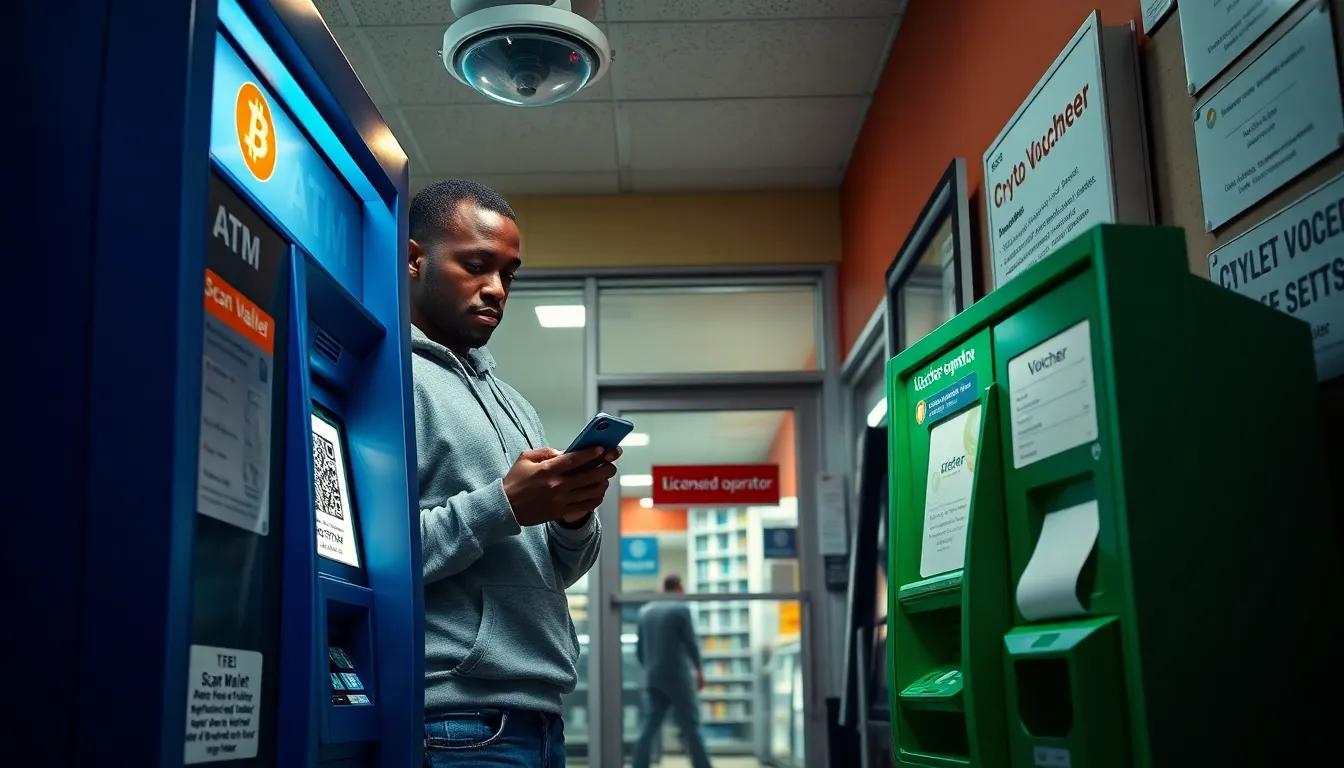
Compare Methods at a Glance: ATM, Retail Kiosk, and Peer-to-Peer
- Bitcoin ATMs (BTMs): Cash-in machines in convenience stores, gas stations, and malls. You feed bills, scan your wallet QR, and receive BTC to your address.
- Retail kiosks: Coinstar kiosks (via Coinme) and similar partners sell vouchers or let you credit a hosted wallet you then withdraw from.
- Peer-to-peer (P2P): You meet or escrow with another person to swap cash for BTC, often via decentralized marketplaces.
What To Expect: Fees, Limits, KYC, Speed, and Privacy
- Fees: BTMs are highest (about 5%–20% above spot), kiosks are moderate (flat + spread), P2P varies (low–medium: depends on seller premium).
- Limits: BTMs and kiosks impose per-tx and daily limits: P2P limits depend on counterparties.
- KYC: BTMs/kiosks usually require a phone number and sometimes ID at higher tiers: P2P can be minimal if decentralized.
- Speed: BTMs/kiosks are fast: P2P is as fast as your meetup or escrow release.
- Privacy: P2P (non-custodial) can be highest: BTMs/kiosks medium due to phone/ID and camera footage.
Risk Overview: Counterparty Risk, Scams, and Compliance Considerations
- Counterparty risk: Highest in P2P (no central guarantee): reduced with on-chain escrow and reputable platforms. BTMs/kiosks have vendor risk but are straightforward.
- Scams: Fake escrow, chargebacks (if not cash), spoofed confirmations, and bait-and-switch addresses. Verify everything.
- Compliance: US states vary. Follow money transmitter and reporting rules. Using licensed operators reduces legal risk. Keep receipts and TXIDs for tax reporting.
Prepare Your Wallet and Safety Plan
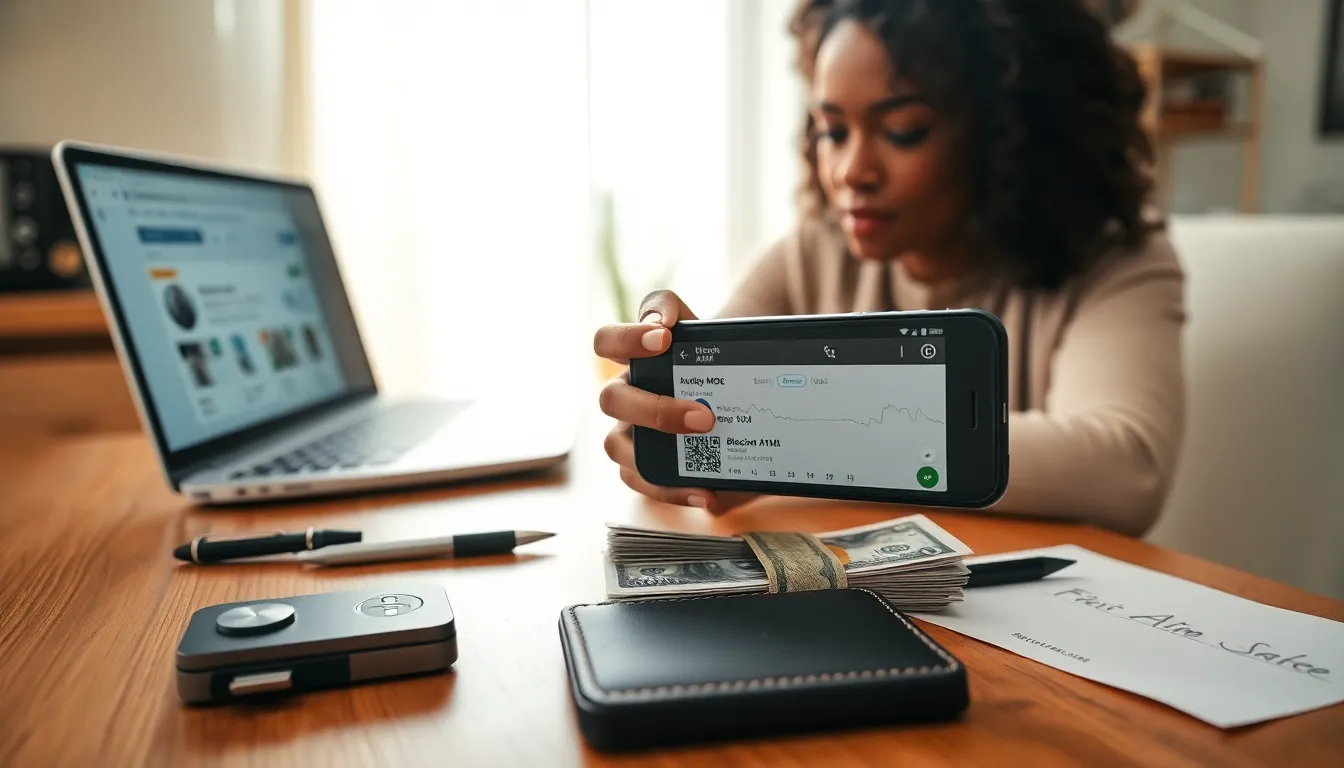
Choose a Non-Custodial Wallet and Back It Up
- Use a well-reviewed non-custodial wallet (e.g., Phoenix, BlueWallet, Sparrow, Muun, or a reputable hardware wallet). You control the keys.
- Write down the 12–24 word seed phrase offline. Test the recovery process with a tiny amount before larger buys.
Generate and Verify a Receive Address QR (On-Chain vs. Lightning)
- On-chain: Use a fresh address for each purchase. Have the QR ready for scanning at the ATM/kiosk.
- Lightning: If supported by the machine/platform, create a Lightning invoice for instant settlement and potentially lower fees. Confirm the vendor supports Lightning before you leave home.
Set Basic Security: PIN, Biometric, and Seed Storage
- Lock your wallet app with a PIN and biometrics.
- Store the seed in two separate secure locations (not photos or cloud notes). Consider metal backup for durability.
Plan Your Purchase Amount, Location, and Timing
- Amount: Start small to learn the flow. Bring clean bills: some machines reject worn currency.
- Location: Favor well-lit stores with cameras. Check operator reputation and support.
- Timing: Network congestion affects fees/confirmations. If you can, buy when mempool is lighter to reduce miners’ fees.
Method 1: Buy Bitcoin With a Bitcoin ATM (BTM)
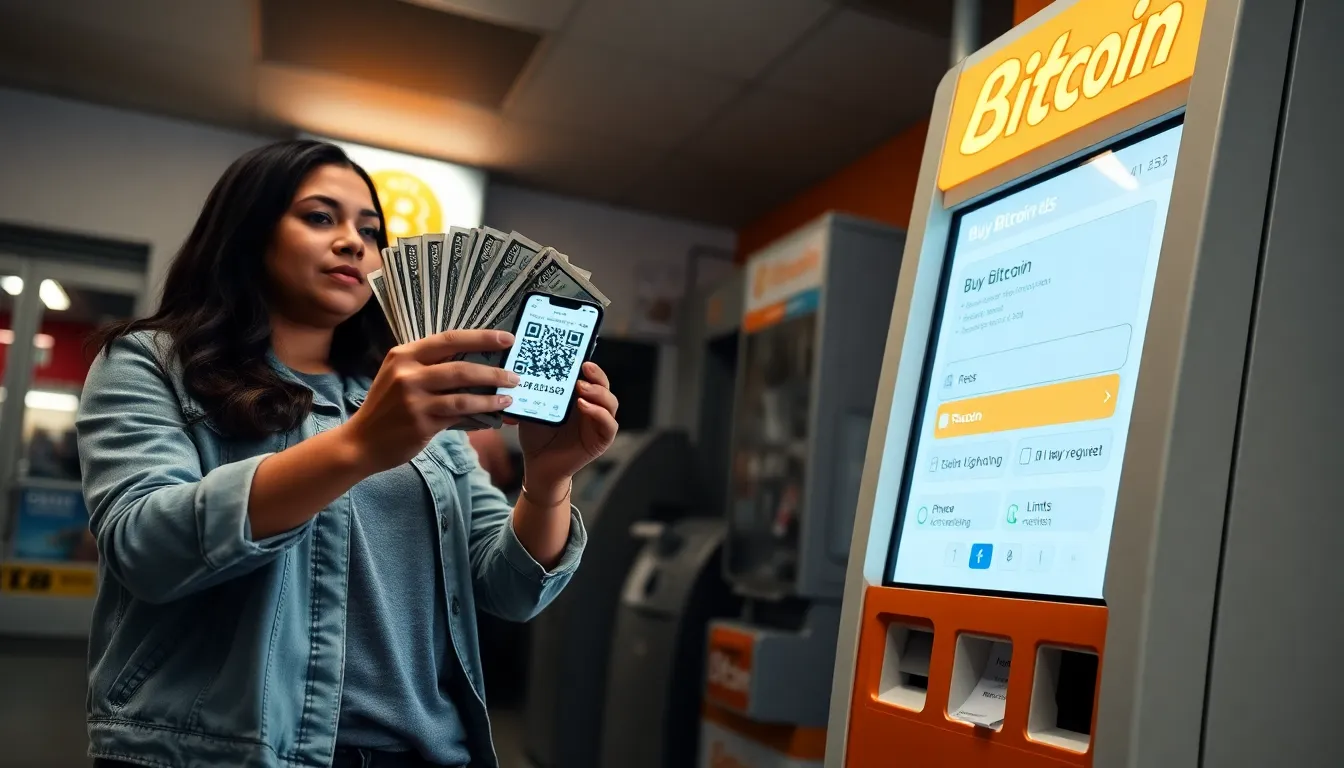
Find a Reputable ATM and Check Fees/Limits (Map Tools and Brands)
- Use aggregator maps (Coin ATM Radar) to find nearby BTMs. Filter by buy fees, limits, and ID requirements.
- Check operator brands with good reviews. Note posted fees, daily limits, and supported networks (on-chain/Lightning).
Complete the Purchase: Phone Verification, Insert Cash, Scan QR, Confirm
- At the machine: Select “Buy Bitcoin,” choose amount.
- Verify: Enter your phone number for an SMS code: higher tiers may ask for ID.
- Wallet: Tap “Use own wallet,” then scan your receive address QR.
- Insert cash: The screen shows estimated BTC after fees. Confirm the quote.
- Finish: Approve the transaction and keep the printed or SMS receipt.
Verify the Transaction: Receipt, On-Chain Confirmation, and Settlement Time
- Check your wallet: You should see an unconfirmed transaction within minutes.
- Confirmations: Most wallets show 1–6 confirmations as security builds. ATMs broadcast with a set fee: timing depends on network conditions.
- Lightning (if used): Settlement can be near-instant. Save any payment hash/receipt.
Common BTM Gotchas: Network Fees, Minimums, and Refund Policies
- Network fee: Some BTMs deduct miners’ fees from your purchase: others bake it into the spread.
- Minimums: Many require $20+ per transaction: smaller bills may not be allowed.
- Refunds: If a tx fails or address error occurs, refunds can be slow and may require KYC. Always double-check the address QR before inserting cash.
Method 2: Buy Bitcoin With Cash at Retail Kiosks (e.g., Coinstar via Coinme)
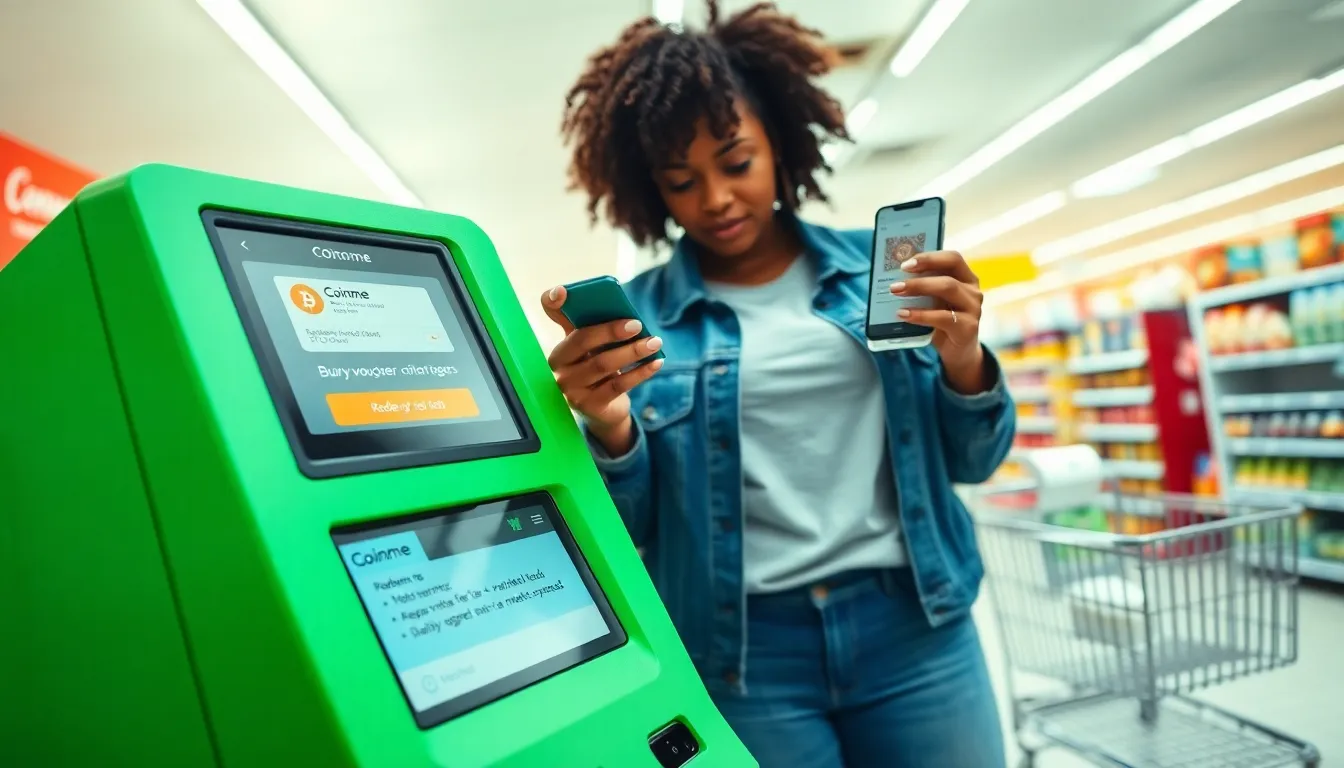
Locate a Participating Kiosk and Create/Verify Your Account
- Find kiosks inside grocery stores and retailers. Check Coinstar/Coinme location finders.
- You’ll typically need to create a Coinme (or partner) account and verify a phone number: higher limits may require ID.
Purchase and Redeem a Voucher for BTC
- At the kiosk: Select the crypto option, agree to terms, insert cash, and receive a voucher code.
- In the app/account: Redeem the voucher to your BTC balance, then withdraw to your non-custodial wallet by pasting/scanning your address.
- Tip: Withdraw right away so you’re not leaving funds in a custodial account.
Understand Fees, Limits, and ID Requirements for Kiosks
- Fees: Expect a fixed kiosk fee plus a spread to spot. The app may also charge a network fee on withdrawal.
- Limits: Common cash caps are a few hundred dollars per day at lower verification tiers: ID unlocks higher limits.
- Records: Save the voucher, redemption receipt, and the TXID when you withdraw to your wallet.
Method 3: Cash Trades via Peer-to-Peer or In-Person — Do It Safely
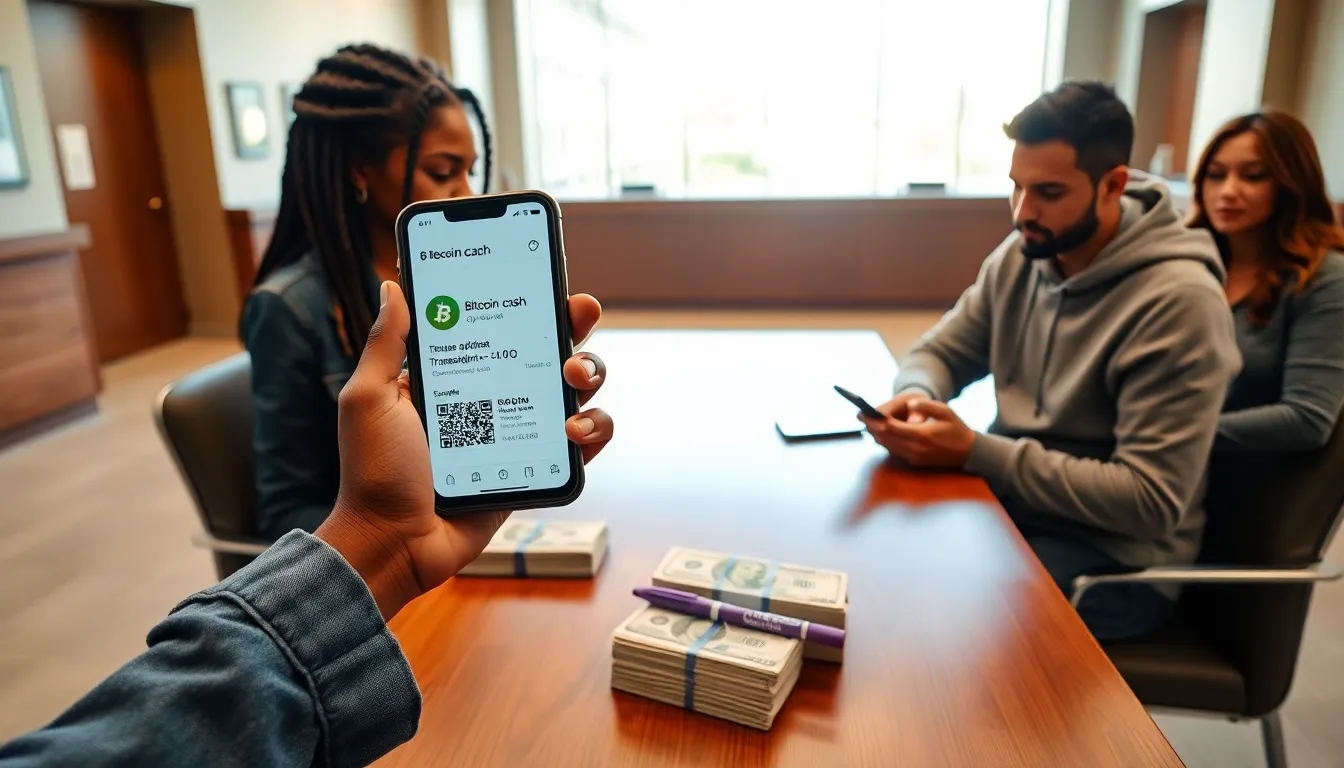
Use Decentralized/Non-Custodial Marketplaces (e.g., Bisq) and Escrow
- Prefer platforms that don’t hold your coins and that use on-chain, multi-sig escrow (e.g., Bisq). Avoid centralized custodial wallets for cash trades.
- Review seller history, trade limits, and dispute processes. Use platform messaging only.
Arrange and Execute a Safe In-Person Cash Trade
- Meet in a public, camera-monitored venue (bank lobby, police safe-exchange zone, well-known cafe). Daytime is best.
- Bring exact cash. Count it visibly. Use a money marker if needed.
- Exchange flow: You show your receive address QR: the seller sends BTC: you verify an on-chain transaction broadcast in your wallet: then you hand over cash.
Avoid Scams: Proof of Funds, On-Chain Verification, and Meet-in-Public Protocols
- Proof of funds: Ask the seller to sign a message or display control of coins (UTXO or live wallet balance) before meeting.
- On-chain verification: Don’t rely on screenshots or “pending” texts, confirm the transaction appears in your wallet/mempool explorer.
- Bring a friend when possible: trust your instincts and walk away if anything feels off.
Know the Legal and Platform Rules for Your State and Payment Method
- Some states have stricter rules for money transmission. Stay within platform limits and follow ID requirements when needed.
- Avoid structuring (breaking transactions to avoid thresholds). Keep honest, consistent records of source of funds.
Optimize for Fees, Privacy, and Convenience
Compare Total Cost: Cash Premiums, Exchange Rates, and Network Fees
- Don’t just look at the posted fee. Add: spread to spot price + machine/kiosk fee + blockchain fee + any redemption/withdrawal fee.
- Example: A BTM with a 10% spread and $3 network fee might cost more than a kiosk with a smaller spread but a fixed voucher fee.
Time Your Transaction: Mempool Conditions and Confirmation Targets
- Check mempool.space or similar to see recommended sats/vB fee rates. If you’re not in a rush, choose a lower-fee target and wait for the next lull.
- If privacy is key, avoid overpaying for speed: a 1–2 confirmation target is usually fine for personal buys.
Privacy Basics: Address Hygiene, Receipts, and What KYC Reveals
- Use a new address for each buy. Don’t reuse addresses: it links transactions.
- Consider coin control in your wallet to avoid merging UTXOs that reveal history.
- Understand that phone/ID at BTMs/kiosks ties you to a time and location. Keep physical receipts private but safe for records.
Compliance Basics: Source of Funds, Reporting Thresholds, and Limits
- Keep a simple log: date, amount, cash source, operator, TXID, and wallet notes. It helps with audits and taxes.
- Cash reporting thresholds exist for businesses (e.g., >$10,000 Form 8300). As an individual buyer, don’t structure transactions.
- Capital gains apply when you sell or spend BTC: track cost basis now to save headaches later.
Troubleshooting, Record-Keeping, and Next Steps
If Your Transaction Is Delayed or Stuck
- On-chain: Check the TXID in a block explorer. If the fee is low, it may confirm later. Some wallets support fee bumping (RBF/CPFP): otherwise, wait.
- If the BTM printed a receipt but no TX appears after 15–30 minutes, contact operator support with receipt number and time.
If a Voucher Expires or an Address Was Entered Incorrectly
- Vouchers: Redeem ASAP. If expired, contact the kiosk partner with voucher code and ID. They can often reissue.
- Wrong address: Bitcoin transactions are irreversible. If you control the wrong address (another of your wallets), you’re fine. If not, contact the operator immediately, some BTMs queue before broadcast, but success isn’t guaranteed.
Track Cost Basis: Save Receipts, TXIDs, and Wallet Notes for Taxes
- Keep digital copies of BTM receipts, voucher redemptions, and TXIDs.
- Note USD spent, BTC received, fees, and the wallet label. This sets your acquisition cost for future gains/losses.
Secure Your BTC: Consolidate, Move to Cold Storage, and Plan DCA
- After several small buys, consolidate UTXOs when fees are low to reduce future costs.
- Consider hardware wallets for long-term holdings: verify addresses on-device.
- If you plan to keep buying, set a cash DCA routine (weekly/monthly) and repeat the lowest-cost, safest method you’ve tested.
Wrap-up: Buying bitcoin with cash is straightforward if you choose the right venue, prep a secure wallet, and keep clean records. Start small, verify every step, and optimize for fees and privacy as you go.