
Buying your first crypto shouldn’t feel like hacking a spaceship. With the right plan, you can make your first purchase safely, avoid common fees and pitfalls, and set up a system that actually fits your goals. In this guide, you’ll learn how to buy cryptocurrency for beginners in the US, from picking a compliant platform to making your first trade and keeping good records for taxes. You’ll walk away with a clear, repeatable process you can trust, not just this week but every time you invest.
Set Your Why, Budget, and Risk Limits

Define Your Investment Goal (Savings, Speculation, or Long-Term Thesis)
Before you buy anything, decide what crypto means in your portfolio. Are you building long-term savings (a multi-year thesis on Bitcoin or Ethereum), speculating on shorter-term moves, or diversifying alongside stocks and ETFs? Aligning intent with action keeps you from chasing headlines.
For context, long-term holding has historically rewarded patience: $1,000 invested in Bitcoin around early 2015 (~$300/BTC) could be worth roughly $350,000 by May 2025, proof of how asymmetric upside can be. Past results don’t guarantee the future, but your plan should account for volatility and the potential for long stretches of drawdowns.
Decide Your Budget, Time Horizon, and Maximum Drawdown You Can Tolerate
Set a fixed amount you can afford to lose. Crypto can drop 50%+ faster than traditional assets. Pick a time horizon (e.g., 3–7 years for a long-term thesis) and define a maximum drawdown you’ll accept before pausing buys or reassessing (e.g., “If my portfolio falls 35%, I stop adding and review”).
Use ranges you can live with financially and emotionally. Smaller, steady allocations beat oversized bets you abandon during turbulence.
Create Simple Rules: Allocation %, Stop-Loss, and When You’ll Add or Pause
Write down your rules so you don’t improvise under stress:
- Allocation: “Crypto = 5–10% of my total portfolio.”
- Contributions: “$100 weekly via DCA: increase 25% after bonus, pause if drawdown hits 35%.”
- Risk controls: “No leverage. Stop-losses only for short-term positions: long-term holdings are unlevered.”
- Review cadence: “Quarterly rebalance back to target allocation.”
Simple beats clever. Consistency compounds.
Choose a Safe, US‑Compliant Platform
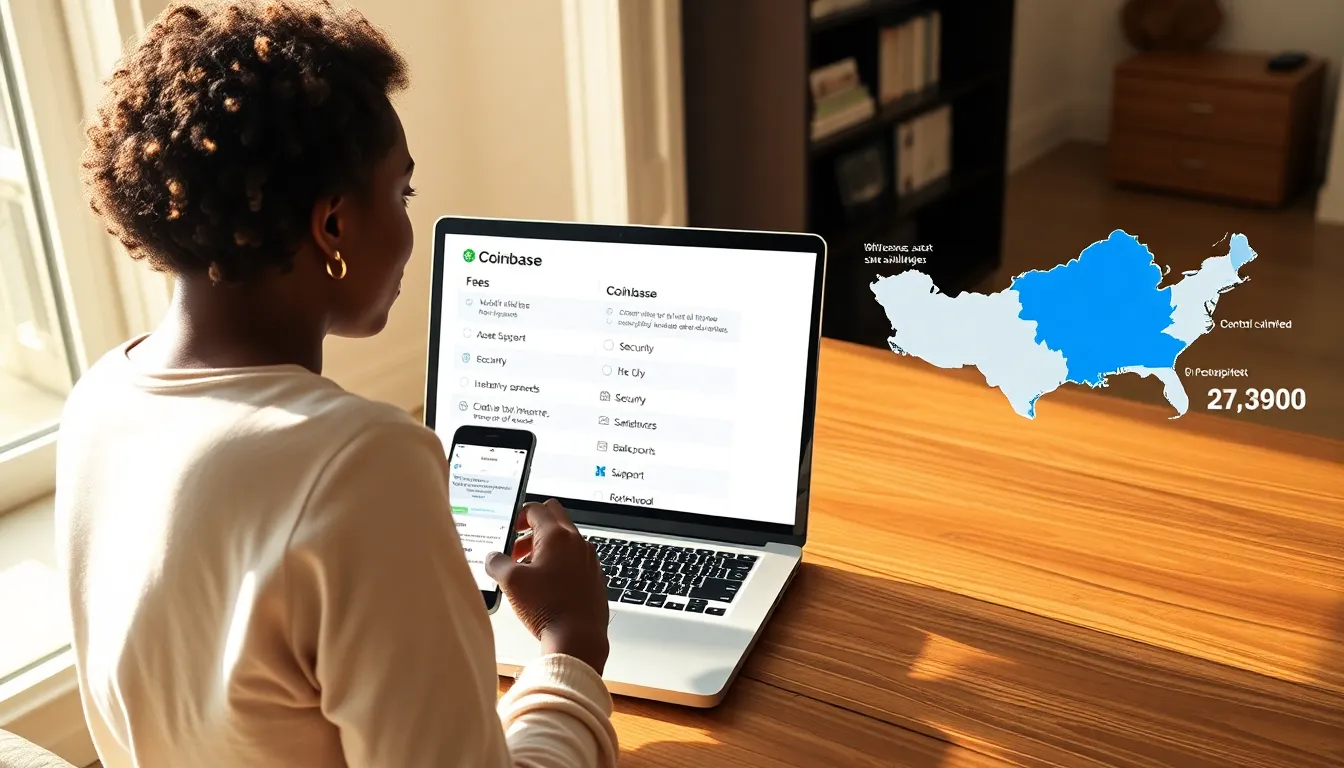
Centralized Exchanges: Coinbase, Kraken, Gemini, What to Compare
For your first purchase, centralized exchanges are the most straightforward. Compare:
- Fees: Trading fees, maker/taker tiers, and spreads on instant buys.
- Asset support and liquidity: BTC/ETH pairs, stablecoins, and any assets you plan to own.
- Security: Cold storage, insurance disclosures, proof-of-reserves practices, and incident history.
- UX and support: Clear interfaces, responsive chat/email, and robust help centers.
Coinbase, Kraken, and Gemini are popular US‑facing choices known for compliance and strong security postures.
Broker/Fintech Apps (PayPal, Cash App, Robinhood): Convenience vs. Control
Broker apps are convenient but trade-offs matter:
- Pros: Fast onboarding, familiar UI, simple funding.
- Cons: Limited asset selection, withdrawal restrictions (sometimes you don’t get full on-chain withdrawals or staking), and wider spreads.
If you value full control (self-custody, on-chain transfers), ensure the app allows withdrawals to your own wallet.
State Rules and Licensing (e.g., NY BitLicense) and Available Assets
US regulations vary by state. New York’s BitLicense, for example, limits which platforms and assets are available. Check that your chosen exchange operates in your state and lists the assets you want. During signup, confirm disclosures on licensing and any state-specific limitations before funding.
Create and Secure Your Account
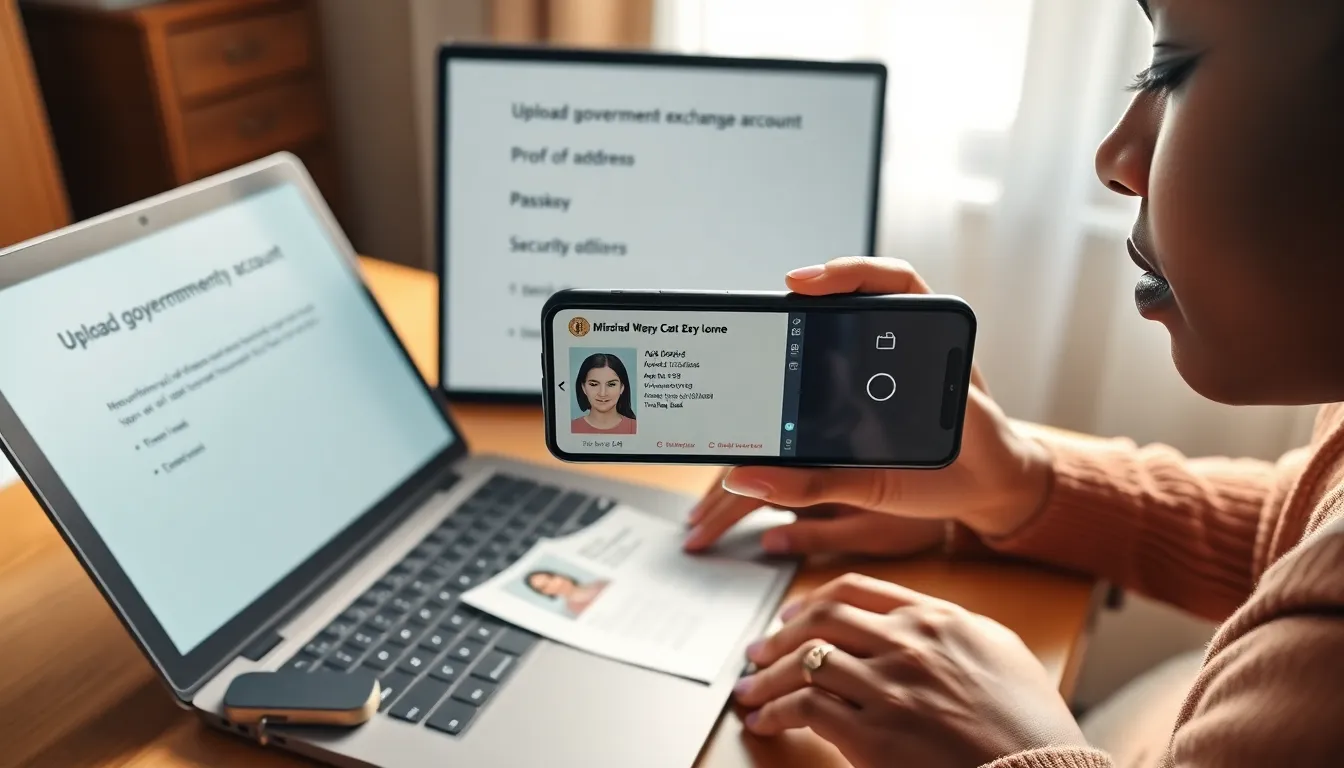
KYC Verification: IDs, Proof of Address, and Name Match Tips
You’ll need a government-issued ID (driver’s license or passport) and often a proof of address (utility bill, bank statement). Make sure your legal name matches exactly across documents. Upload clear, unedited photos with good lighting. If verification fails, retry with a different device and ensure the document edges and holograms are visible.
Turn On Security From Day One: Passkeys or 2FA, Anti‑SIM Swap, Allow‑Listing
Security isn’t optional:
- Enable passkeys or app-based 2FA (Authy, Google Authenticator). Avoid SMS 2FA when possible.
- Contact your carrier to add a SIM-swap lock/PIN.
- Turn on withdrawal address allow-listing so funds can only leave to preapproved addresses (with a time lock on changes).
- Consider device-based security keys (e.g., YubiKey) for high balances.
Backups: Recovery Codes, Unique Email, and Strong Password Manager
Store 2FA recovery codes offline (paper or encrypted USB) in two separate locations. Use a unique email only for crypto accounts to reduce exposure. Generate long, random passwords with a reputable password manager, and never reuse credentials across services.
Fund Your Account and Understand Fees
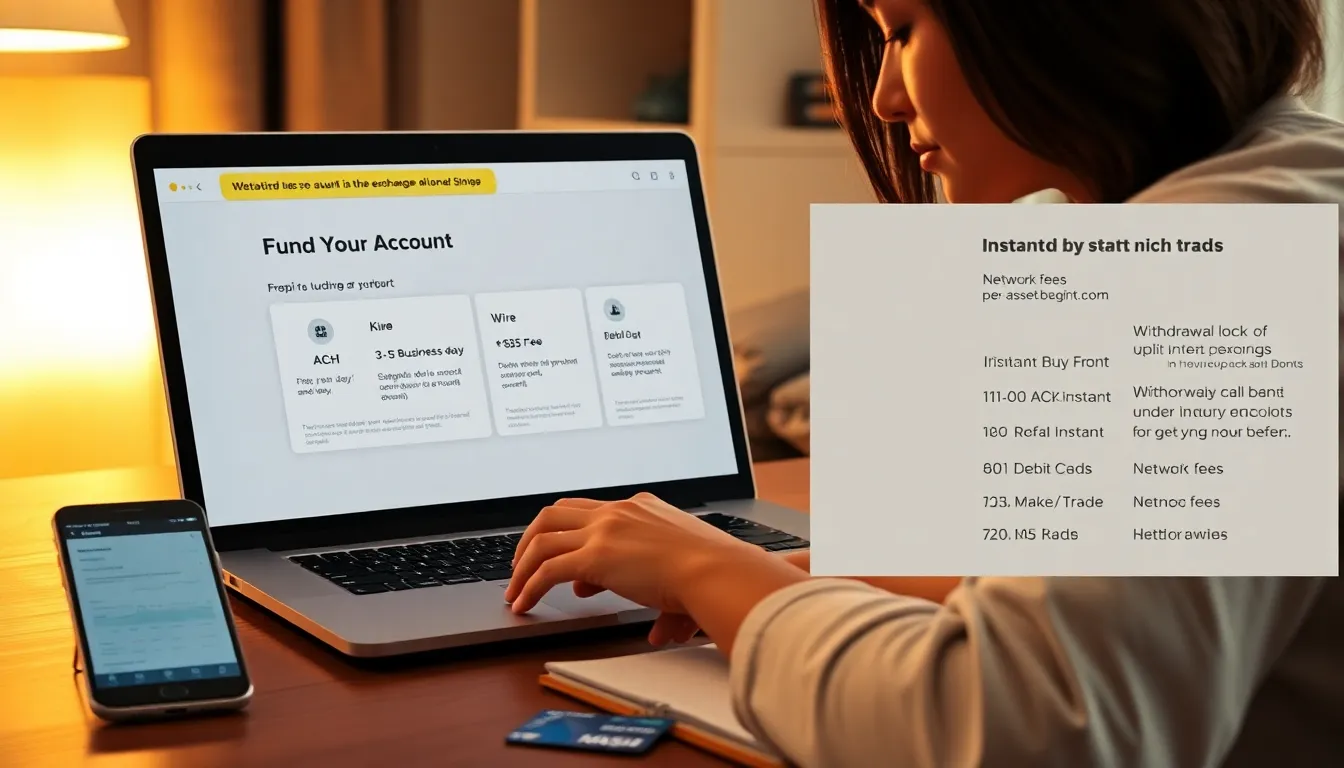
ACH, Wire, and Debit/Credit: Speed, Limits, and Costs
- ACH: Usually free or low-fee: higher limits over time: arrives in 3–5 business days. Some platforms let you trade instantly but lock withdrawals until settlement.
- Wire: Same-day or next-day for a fee ($10–$30+). Useful for larger amounts.
- Debit/Credit: Instant, but higher fees and stricter limits. Some issuers treat crypto purchases as cash advances, check your card terms.
Match method to intent: ACH for routine DCA: wire for larger, time-sensitive funding: cards only if you accept the premium.
Spot Fees, Spreads, and Hidden Costs (Instant Buys, Network Fees)
Your “all‑in” cost includes:
- Trading fees (maker/taker).
- Spread (the markup baked into instant buys/one-click trades).
- Network fees (blockchain transaction costs for withdrawals or on-chain actions).
Pro tip: Using the exchange’s “advanced trade” interface often lowers fees versus instant buy.
Deposit Holds and Settlement Times: Planning Your First Purchase
Platforms may place holds on ACH deposits even if you can trade immediately. Withdrawals are locked until funds clear. If you plan to move coins to self-custody quickly, fund via wire or pre-fund a few days ahead. Check your account’s limits tab for current withdrawal windows and per-asset network fees before you buy.
Decide What to Buy and How You’ll Buy It
Start With Liquid, Established Assets (BTC, ETH) and Stablecoins
For beginners, stick with the deepest, most liquid assets: Bitcoin (BTC) and Ethereum (ETH). They have broad exchange support, high daily volume, institutional interest, and robust infrastructure. Keep a portion in stablecoins (USDC/USDT) if you want dry powder for dips or to move between exchanges quickly.
Dollar‑Cost Averaging vs. Lump Sum: Pros, Cons, and When Each Fits
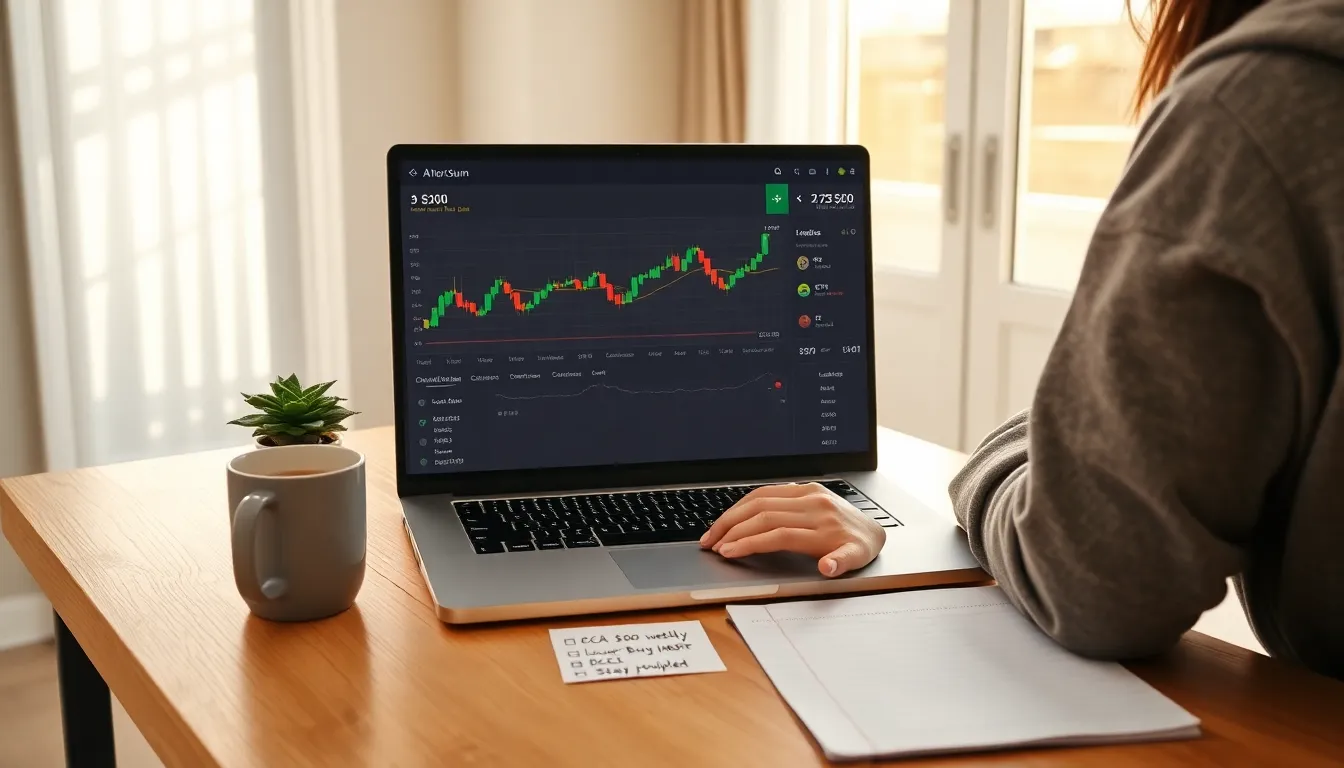
- DCA: Invest a fixed amount at set intervals (e.g., $100 weekly). Pros: reduces timing risk, builds discipline, easier psychologically. Cons: if markets trend up strongly, lump sum may have performed better.
- Lump sum: Deploy all at once. Pros: maximizes exposure immediately in long-term bullish regimes. Cons: higher regret if a drawdown hits soon after.
If you’re unsure, start with DCA. You can always add a partial lump sum on clear pullbacks or after major news catalysts.
Avoid Illiquid/Hype Tokens and Check Listings, Volume, and Audits
Before touching smaller caps:
- Verify multiple reputable exchange listings.
- Check 24h volume and order book depth: avoid thin liquidity.
- Look for code audits (for tokens and DeFi protocols) and active developer communities.
- Beware of celebrity/influencer pumps, obvious VC unlock cliffs, or opaque tokenomics.
If you can’t explain how a project creates value or manages security, skip it.
Place Your First Trade and Withdraw Safely (Optional)
Market vs. Limit Orders: Execution and Slippage Basics
- Market order: Fills immediately at the best available price. Simple for small buys. Risk: slippage during volatility.
- Limit order: You set the price: the order fills only if the market reaches it. Better control, but no guarantee of execution.
For your first buy, a small market order is fine to learn the flow. For larger purchases, place limit orders at logical levels and avoid thin markets.
Choose Withdrawal Network Carefully (L1 vs. L2: Fees and Compatibility)
When withdrawing, select the correct network:
- L1 (e.g., Bitcoin mainnet, Ethereum mainnet): Broad compatibility, higher fees at peak times.
- L2 (e.g., Base, Arbitrum, Optimism): Lower fees and faster confirmation, but only send to wallets/exchanges that support that specific L2 for the asset.
Always confirm the destination chain and address format. If you’re unsure, stick to the asset’s most common network.
Self‑Custody 101: Custodial vs. Non‑Custodial, Test Withdrawals, and Notes
- Custodial: Exchange holds your keys. Easier, but you rely on a third party.
- Non‑custodial: You control your keys via hardware or software wallets. Higher responsibility.
If you self‑custody, back up your seed phrase offline, never share it, and test a small withdrawal first. Keep a simple transaction log: date, amount, txid, network, destination. It saves time later (and during tax season).
Secure, Track, and Handle Taxes
Ongoing Security Hygiene and Scam Red Flags
Review security monthly: rotate passwords annually, verify 2FA devices, and check active sessions. Common scams include unsolicited “support” DMs, fake airdrops, investment pitches with guaranteed returns, and anyone asking for your seed phrase or remote access to your device. If pressured to act immediately, step back, legit opportunities don’t mind scrutiny.
Portfolio Tracking and Alerts: Apps, CSV Exports, and API Keys
Use portfolio trackers to see all holdings in one place. Options include exchange-native dashboards, spreadsheets, or dedicated apps that ingest CSVs or read-only API keys. Set price alerts for DCA add-ons or rebalance triggers. If you use APIs, make them read-only and disable withdrawals.
Taxes 101: Cost Basis, 1099s, Gains/Losses, and Recordkeeping
In the US, crypto is taxed as property. You owe taxes when you sell, trade one crypto for another, or spend crypto, gains/losses depend on your cost basis and holding period (short vs. long term). Keep:
- Detailed trade history (dates, amounts, fees, txids).
- Exchange 1099 forms (if issued).
- Wallet reports for on-chain activity.
Use reputable tax software or a CPA familiar with digital assets. Good records reduce errors and stress.
Conclusion and Next Steps
Troubleshooting Common Snags (Holds, Gas Spikes, Account Locks)
- Deposit holds: Fund a few days before you plan to withdraw, or use wires for speed.
- Gas spikes: Schedule transfers during off-peak hours, or use L2s with lower fees.
- Account locks: Keep KYC docs current, enable multiple 2FA methods, and save support PINs. If locked, reply to the exchange’s email from your registered address and provide requested docs promptly.
Responsible Scaling: Recurring Buys, Rebalancing, and Further Learning (L2s, Staking, DeFi)
You’ve learned how to buy cryptocurrency for beginners: now make it systematic. Set recurring DCA buys, review allocation quarterly, and rebalance back to targets. As your comfort grows, explore Layer-2 networks for cheaper transfers, staking (understand lockups and risks), and beginner-friendly DeFi only after you master security. Keep notes, stay skeptical, and let discipline, not hype, drive your next move.